
the Empathy List #168: Hiii, I'M BACK, I missed you! 🥳 (Intro to Liz + AMA)
Yes, I turned in Book Number 2, and I'm answering your questions.

Hello friend, Liz here.
HERE’S THE PART WHERE I GET IN MY ALL CAPS JOY ABOUT BEING BACK WITH YOU!!!!! Because I turned in a draft of BOOK NUMBER TWO, and I think it’s medium-good, and I’m mostly proud to share it with you!!! (haha)
Okay, I promise, I won’t squeal anymore, but I did genuinely miss you folks as I sequestered myself in my basement cave/office to write the 35,000 words-ish (and read a dozen books) in the weeks I took off from writing my weekly essays for the Empathy List.
It is SUCH (okay, a few more) a gift to have a group of readers who are deep thinkers, feelers, and nuance junkies like yourselves. Writing to you each week is a gift to this extroverted writer, and though I do not take for granted the privilege of book-writing (and truly love it), I also miss the weekly dialogues we share when I disappear.
And the news does not stop! Ever! Our president! Supreme court! Politicians! ICE! Don’t these people ever log off? Don’t they take vacations?! (And if not, is that why they’re so feral?) Somebody please make a law that requires our politicians to receive AT LEAST weekly therapy!
(Can Mamdani do this for us? Because it seems he can do EVERYTHING ELSE.)
[In fact, I am “back,” however, as I edited this post, I realized that I did forget to mention JUST HOW MANY STAGES ARE STILL LEFT in the publishing process, including a full developmental edit. I still have more work to do on the draft! So while I’m back to reguarl-ish substacking, I may still be spottier than usual through the summer. End of disclaimer.]
Remarkably, I also have some new readers, so I’d like to welcome them/you to the fam by doing an introductory Ask Me Anything. If you have other questions, feel free to ask in the comments, and I’ll answer those, too. But this should give you a good idea of who I am and what I’m doing here…
Who is Liz Charlotte Grant?
If I were meeting you in person, I would shake your hand with a good squeeze and a grin and tell you that I’m a writer from Colorado.
I’m a 39-year-old elder Millennial (yes, that young, and yes, that old) who studied creative writing in at Wheaton College (class of ‘09) and has been writing and publishing ever since. For many years, I played the miserable pitching game.
Within the past few years, I’ve gotten lucky and have found a couple of more solid (still freelance) titles, including online columnist at the Christian Century magazine (a historic Protestant Mainline Christian magazine that first published MLK Jr.’s, “Letter from a Birmingham Jail” in 1963! I’m still amazed I get to share a magazine with that icon. I cover the culture beat, and I’m especially interested in the way church and state mix in dysfunctional (interesting) ways.
I’m also a book author. The publisher for my first book was Eerdmans (published Jan. 2025), and the second is coming from Broadleaf Books in 2027.
Mainly, my writing looks like fragmented storytelling, in the style of the creative nonfiction braided essay, and I particularly enjoy collaging stories from science, the fine arts, and history with contemporary events and Bible stories. I especially love telling the stories of women.
Since 2015, I have lived in the suburbs of Denver with my family (artist husband, two middle schoolers, and a flock of hens). Before that I lived in Colorado Springs, Colorado (the home of Focus on the Family, as well as many more humane folks and orgs), and before that, Wheaton, Illinois to complete my undergrad. I grew up on the East Coast and overseas (ages 5-9 in England, ages 17-18 in Switzerland), and as a result, I have a conflicted relationship with my American identity and citizenship.
I also grew up as a White American evangelical. (More on that below.)


I am a fat lady, a White lady, a lower-middle-class lady, a mother, a wife, a disabled woman (low-sighted—it’s a long story), a Christian socialist/leftist. I am estranged from my family-of-origin, which was a very long journey. I am an avid cook who grows as many of her own veggies as the grasshoppers in my backyard will allow (THEY ARE A PLAGUE). I read widely, thrift weekly, walk daily. I am a coffee addict and connoisseur, and I have audiobooked every single Agatha Christie novel.
What is the Empathy List all about?
The publication’s tag line is “a smart and kind word from the Christian Left.” My values as a person and writer are centered in curiosity and empathy—and by the way, I decided on these values BEFORE empathy became a bad word in conservative Christian circles.
I started the Empathy List in 2015, when demonizing empathy was just a twinkle in John MacArthur/John Piper/Doug Wilson’s eye, and watched in horror, like many of you, as one of humankind’s most fundamental social virtues became a “sin.”
I have written more here about why I think calling empathy a sin is gaslighting, but in brief, empathy has always seemed to me to be the defining characteristic of a just society. When applied to theology, empathy looks like the incarnation, God becoming like us, which is certainly an over-identification worthy of conservative scorn. (“That’s taking empathy TOO FAR, Jesus!”) Making empathy a vice undermines everything essential about living together in a pluralistic democratic nation and also demonizes disagreement and difference within religious and political systems. (Again, more on that below.)
The other defining trait of the Empathy List is curiosity. Like empathy, curiosity defines not just this newsletter, but me as a person and creator. I find the world fascinating. My hunger to know extends to almost every discipline, with the exception of math and physics, which I cannot make my brain understand well enough to explain to anyone else. I cover topics that can most easily be defined as “culture,” “politics,” and “religion,” AKA nearly everything.
So, those are the values. But what form does the newsletter take?
It’s a weekly missive, arriving in your inbox on Tuesdays. I trade off between long-form essays about a trending topic (which I title, “The Empathy List #whatever”) and reading recommendations (“Curious Reads”), in which I explain one story in depth (the “Top of the Fold” story) before recommending ~5 other stories that will make you think/feel. I try to send stories you haven’t already read, stories from multiple disciplines, and stories that encourage us to love our neighbors with nuance.
Sometimes I also interview folks, and those tend to be long, winding, intimate conversations with someone you’ve probably heard of, but likely haven’t experienced in a more casual context. Hopefully, these interviews make “celebrity Christians” seem more normal and contribute to a nuanced discussion of “the issues.” ;-)
Why do you take publishing breaks for your substack? (That’s weird.)
A marketing manager would likely tell me that taking breaks is a mistake on a social platform, but the fact is, I conceive, write, edit, copyedit, source imagery, and market my newsletter all by myself. This is a one-woman show, and I get tired, y’all. Once-a-week is A LOT of substack writing, on top of the other writing I do!
Plus, I want to put something in your inbox that you actually want to read. The publishing quality of the Empathy List matters to me.
So, I take breaks to keep giving you my best and to rejuvenate my passion for this newsletter project, and I tell you when I’m taking breaks because I want to model a more humane creative process than capitalism demands of us, a creative process that values both the health and wellbeing of creator and consumer.
I usually break from June-August-ish (when my kids are out of school), and then I take a shorter break around the winter holiday season (cause no one has time to read a substack in December, anyway).
What do you do all day? (Like, for money?)
I write nearly full time. I am an author (writing books and currently working on my second-to-be-published manuscript), an online columnist (generally publishing once per month), a speaker (related to my writing), and I write this weekly newsletter. Sometimes I offer developmental editing to other writers for a fee, too.
However, writing does not pay my bills.
I like to talk about money and writing, partly because it’s very taboo amongst publishing professionals (I kinda like controversy?), and partly because I want to be honest about the very real problem of money and writing, i.e., that money and writing do not go together.
Which is to say, my writing gigs do not pay me a living wage.1 Most months, I wouldn’t be able to pay my mortgage with my writing income. And if my kids depended on only my writing income to eat, our diet would consist of Kraft Macaroni and Cheese.
Even so, I do make money, and that makes me unusual amongst writers, even if my yearly salary hasn’t yet reached five figures. (sob)
This is the reality for nearly every writer you read or follow today. We operate our writing careers at a loss. Some of us hold out hope that lightning will one day strike and we will make it into the top .00001% of published authors in being able to pay our bills via our typing habit. But most of us write for other reasons.
Sometimes we write for fame or respect, and both provide their own compensations when finances fail to keep pace. Sometimes we write because of curiosity. Sometimes we write from compulsion.
My friend Lore Wilbert often groups writers into two camps: the first writes because they have a message, a story that needs telling. They’re the explainers. The second group writes to find a story, to learn, to find out their own thoughts. They’re the explorers. I am an explorer, so that’s why I keep writing, despite the very meager return on investment. 😅
Anyway, now that I’ve convinced you of my authorial poverty, um, you may be wondering, so, how do your children eat?
My husband and artistic partner, Jeremy, has a real full-time job with benefits that covers our expenses. He is my patron.
Added to that, I grew up well-off in an East coast family-of-origin that paid my college bills (no loans!), Jeremy got a full ride scholarship for his undergrad, and neither of us have graduate degrees to pay off.
We also happened to buy a house at the bottom of the Obama-era recession which got us into an impossible real estate market. We have owned three houses, each time flipping a crumbling property into a livable space, making us modest profits, and then we refinanced during Covid, when interest rates nearly bottomed out.
So, between zero school loans (for now—my kids are a handful of years away from college themselves), a low mortgage due to good luck, and a full-time-with-benefits job, I can play lead parent to my kids and write in the off-hours.
My situation is exceedingly rare and privileged, and I do not take it for granted. How many women in all the history of the world have the opportunity to just write? Lightning has already struck for me. I hope it will for you, too, writer friends.
BTW, I pledge to always be honest with you about money, dear readers, because I think we could use more honesty when it comes to leaders and finances, don’t you? 😜
Why did you write a book about Genesis, of all things?

When people see the theme of my first book, Knock at the Sky, as summarized by my book’s subtitle—”Seeking God in Genesis After Losing Faith in the Bible”—this is always their first question. Why Genesis, when you could have written about anything else? (After all, wouldn’t any other topic be more interesting? 😬)
I wrote about Genesis because I am fascinated by origin stories, and I wanted to reexamine the origin story of Christianity, particularly my own upbringing within the White American Evangelical church.
Genesis has so often become a weapon of the culture wars. Yet Genesis’s own origins, as a work of literature, by no means merit the sort of certainty evangelicals and fundamentalists attribute to the book.
In my view, Genesis offers another type of faith altogether—one that embraces and encourages creativity, collaboration, and conversation, rather than a faith that offers one-word answers and cut-and-paste theology in order to keep congregants under control. (Deep thinking and deep feeling are dangerous to religious authoritarianism!)
But the book of Genesis is not a book of religious authoritarianism, but a work of art. Genesis is, in fact, one of humanity’s most ancient literary masterworks. It has passed along the wisdom of our ancestors to us. And it inspired me. I had a hunch that, explored through the eyes of a creative writer, Genesis might inspire readers, too.
What’s the second book about? (And when does it come out?)
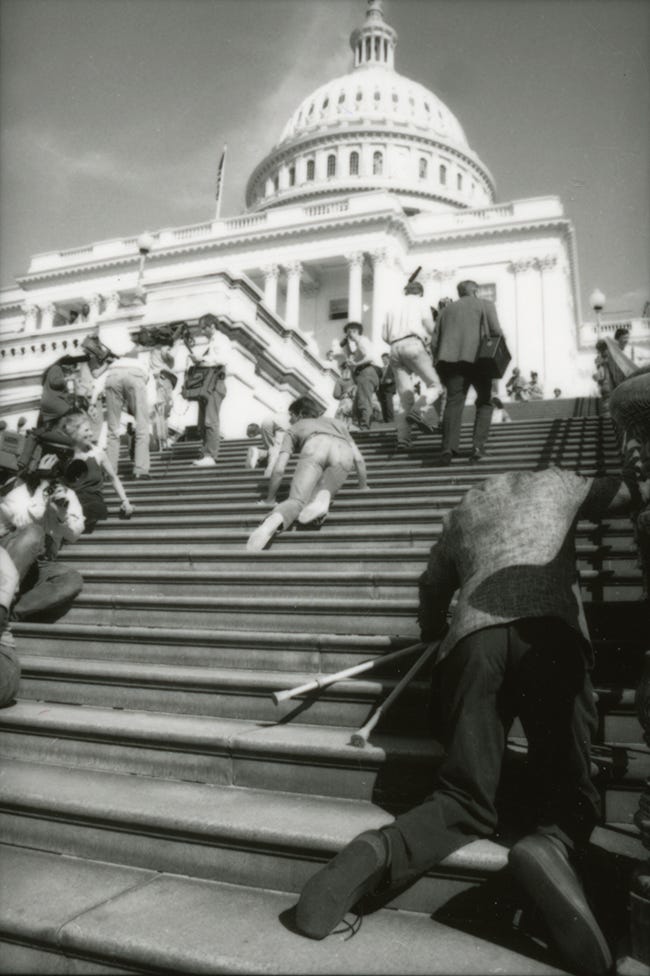
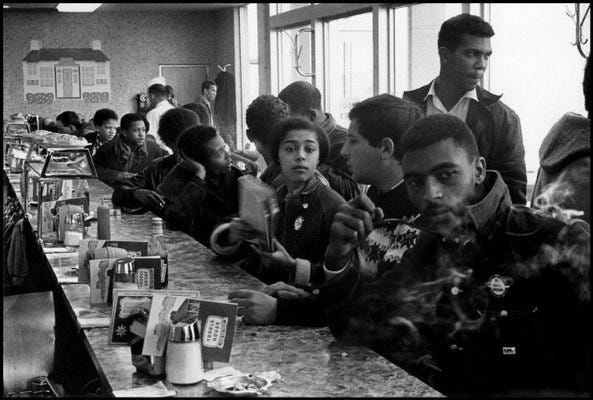
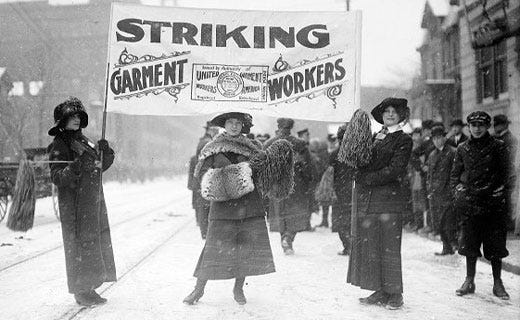
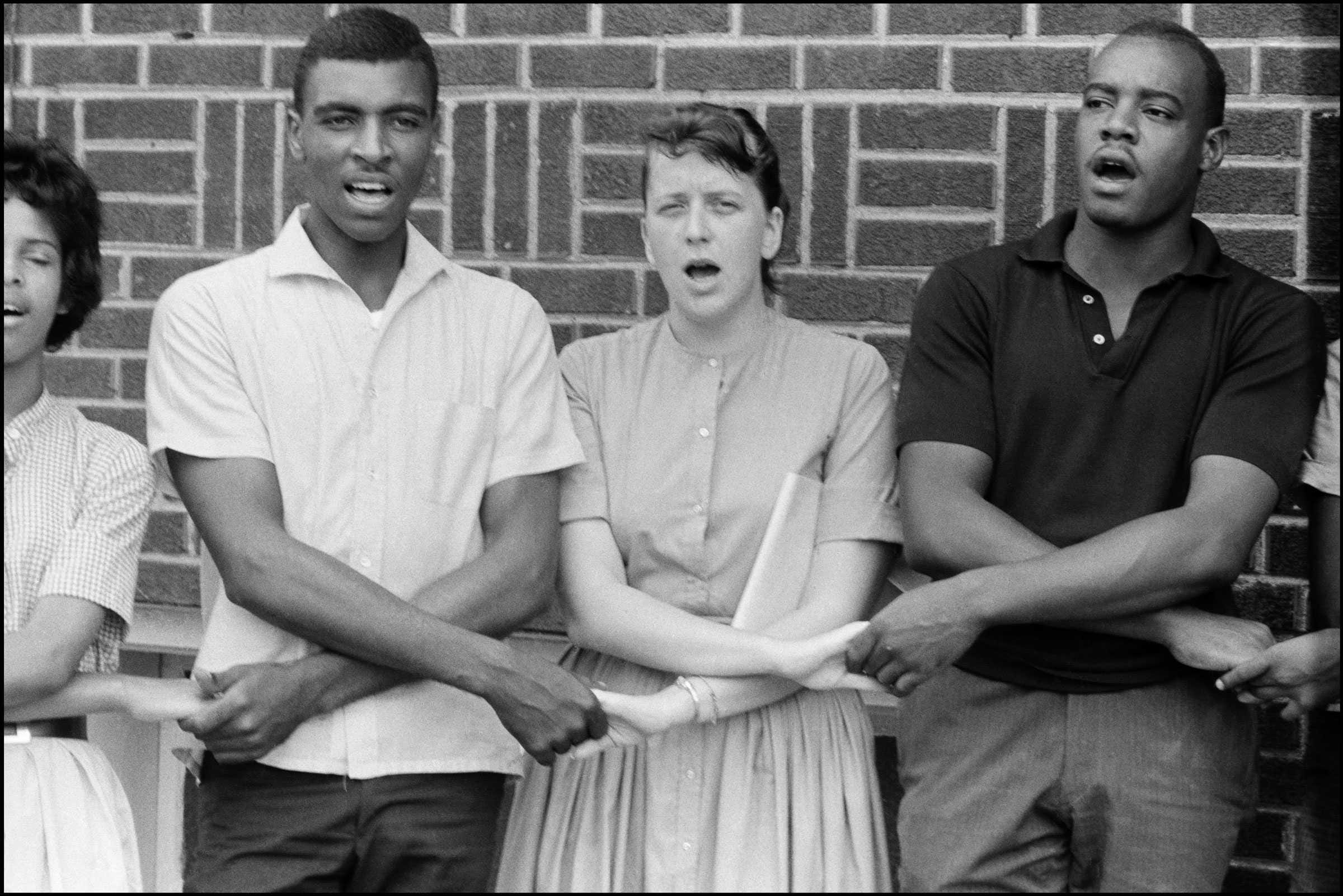
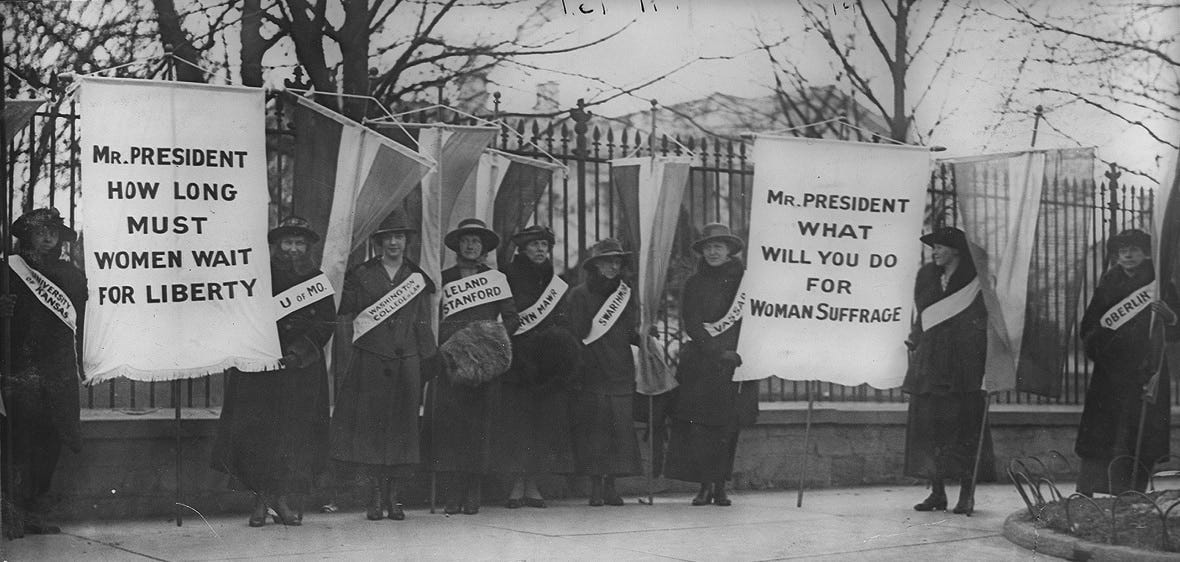
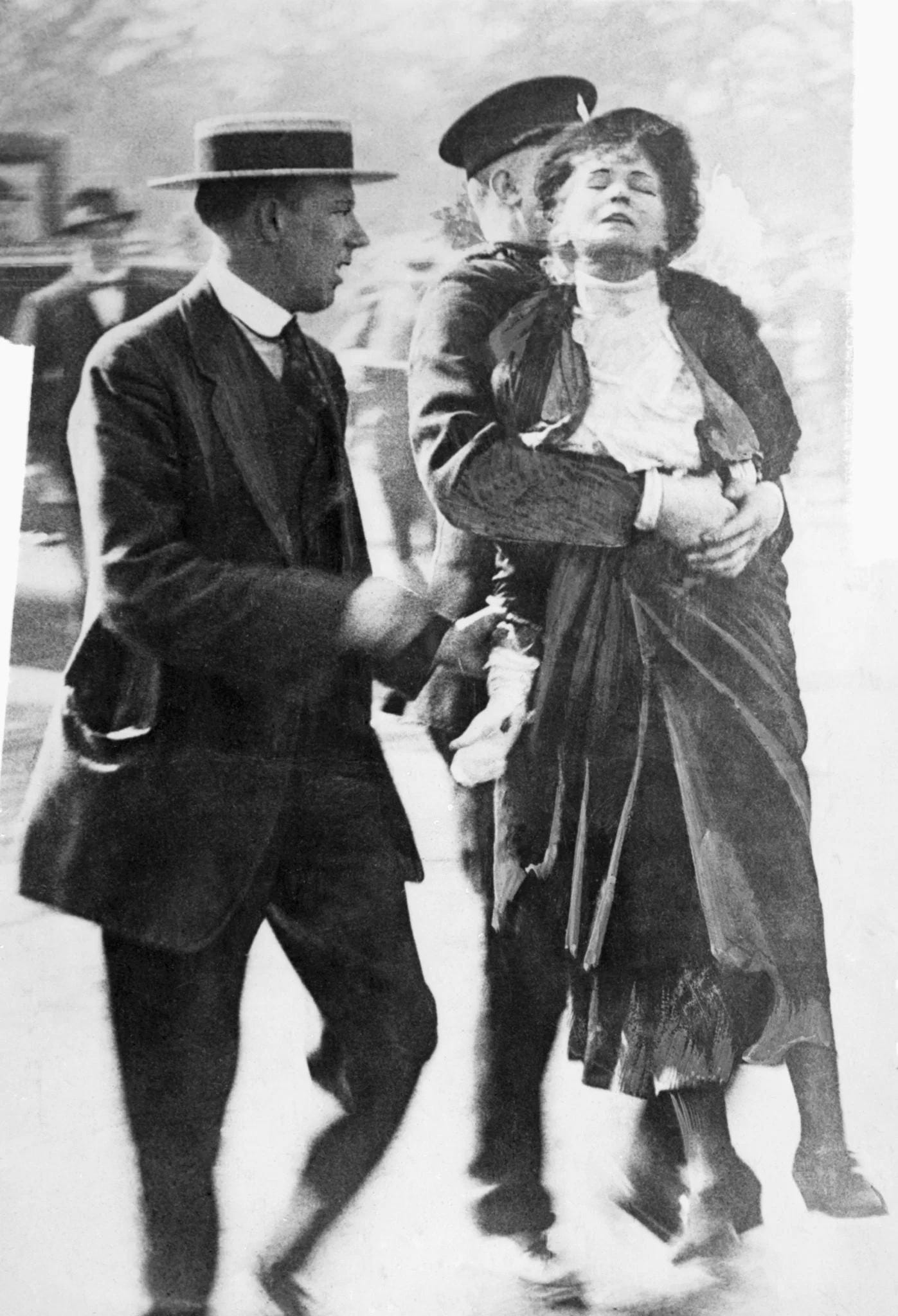
My second book, the manuscript I just turned in, is all about women protesting. I tell the stories of 4 American women protestors and the movements they inspired. I also tell the stories of women protestors in the Bible. The combination of Bible storytelling plus storytelling from American history should offer a wide lens on the ways that women have protested across time, and from these stories, I hope to offer examples as we, in our time, discover the power of protest for ourselves.
I don’t know if it’ll be helpful, but it will move you. And I believe that is what we need in this moment—a great cloud of witnesses who have gone before us, fighting for what is right, even when it meant danger to themselves.
I hope it inspires you to act justly, to love mercy, and to walk humbly with God.
A sneak preview of the book, in photos:
Was the process of writing the first book any different from the second? What did each teach you about writing?
Each book I’ve written (and I’ve written more than two, though only two have been/will be published, so far) plays by its own rules. I do not write formulaic works, which means that each time I approach a book-length project, I have to rediscover the form the manuscript will take.
Knock at the Sky followed chronologically the stories of Genesis 1-32. That made the writing fairly simple, and any additional elements I added in between exegesis/eisegesis of Scripture. A memoir I wrote interspersed a driving narrative of discovering my disability with stories from my childhood, and generally followed chronology (and memory’s chronology). Both Knock at the Sky and my unpublished memoir provided challenges (for example, I grew to hate Abraham by the end of writing about him and I hated adding in family stories, as I wanted to keep that lore to myself), but those challenges were mainly interior. I felt resistant to the direction the manuscripts had led but did not need to change the structures/form of the book to overcome those challenges.
Book Number Two, by contrast, did not come together so smoothly. For every project, I keep a document of “extras” and notes that includes the writings that do not make it into the manuscript, and normally that document runs about the length of the book (if the book is 250 pages, the extras document will be about the same number of pages, give or take). But while book number two is around 230 pages, my “extras” document is over 600 pages.
I changed the book’s outline (structure/form) several times throughout the writing process, which often meant that I needed to ditch entire sections that I had already completed. I’ve been writing and rewriting Book Two since last summer, but still did not complete it until one day before my deadline, a deadline that I had already extended by three months! I turned in Knock at the Sky three months early; I turned in Book Two three months late.
The challenge I had set myself for this book almost defeated me. For one, I wanted to find compelling, unique stories of women protestors, but ones that you hadn’t already heard 1,000 times before. I also did not have expertise in the subject matter (protest history, women’s history, etc.), so I needed to educate myself as part of the writing process. Last, I needed to discover the thread that connected all the stories, and that thread—the deeper meaning of the book, what it was really about—kept shifting during the writing.
For many months, I couldn’t have told you what the stories meant or why it mattered to me to tell the stories of women protestors, I only knew I was telling stories. Within the last month and a half of writing, however, the meaning clarified and I found I had been writing in one direction all along. (TBA)
Added to that, I had to write this book IN THE MIDDLE OF THIS ADMINISTRATION’S DECLINE INTO FASCISM. The distraction of headlines made my book writing feel both urgent and inappropriate (real time response also felt equally urgent!). How was writing a book helping immigrants now?? The problem of prioritizing the longer term writing is one I am still struggling to decipher.
I guess what I’m saying is, it was a tough book to write. Ha. And I hope none of my other future books kick my butt as hard as this one has.
Did you always want to be a writer?
No. I thought I wanted to be a chemist in seventh grade before actually taking Chemistry, which I hated (cause, math). Then, I wanted to be a theologian. Then, in college, I fell in love with Creative Nonfiction, and since then, that’s the only career that has made sense.
(…except for a brief foray into being a Birth Doula and the fact that I’m considering chaplaincy currently. The learning never stops!)
Why are you so obsessed with Jesus/the Bible/Evangelicalism/Religion? And why are you so obsessed with politics?
Where do we come from? Why are we here? What does it mean? These questions undergird the seeking nature of humankind.
Science seeks material answers, from which we can likewise draw meaning. Much of journalism draws from the methodology of science to answer these questions obliquely. Journalism seeks answers to the deepest relational questions via the facts on the ground—who, what, when, where. This only partly works.
Religion applies itself to these questions, too, but from an alternate angle, centering the wisdom of literature, morality, and relationship. Its purview is why and how. (Of course, I am creating my own neat binaries with this explanation. Everything is more complicated.)
Personally, I love the way that both science and religion play together, which is why I have never limited myself to only questions of theology, preferring to meld different disciplines to each other to see what arises from unlikely pairings. While some journalists would prefer to leave off religious questions from their reporting and storytelling, I find the complication interesting.
So, I am interested in religion and theology.
Though I have published in nonsectarian/nonreligious publications and Catholic publications (I am ecumenical in my interest), in recent years I have focused my theological attention mostly on White American evangelicalism.
Partly, this is due to my own upbringing within the religion, which gives me first-hand insight into its complexity. I grew up within a “Bill Hybels-like” seeker-sensitive wealthy East Coast nondenominational protestant church. I attended a private Christian middle and high school, and then I attended an Evangelical private university. My training in theology has mostly come from these spaces. I’ve also attended many evangelical congregations.
However, in recent years, my own religious practice has come to look more like the protestant mainline tradition of methodism, a sort of hybrid progressive evangelical womanist expression, even as I continue to interact with many evangelicals interpersonally (such as family members and dear friends).
So, what has sustained my writing interest in evangelicalism, despite my own changing religious expression? Welp, we happen to be living through a moment in American history where church and state have become indistinguishable with one another, and the church represented within our government is a particularly heinous version of White American evangelicalism.
Yet mainstream journalism appears woefully unprepared to cover this shifting political-religious climate. (Feel free to disagree with me on this.) I find myself straddling two contexts that can help to explain our times—I am progressive in religion and politics, yet I can still understand my former faith community.
In a time of great polarization, my experience qualifies me to speak authoritatively about both sides of this debate—I can speak progressive non-religious and White American evangelical with equal fluency.
All this to say, even if I felt I didn’t want to write another word about evangelicalism, it seems to be chasing me down. And I feel responsible for exorcising its worst from American culture and from my own life, too.
I find myself in a deeply uncomfortable and lonely situation as a writer. But I am grateful for the many writers, artists, and politicians who find themselves in a similar bridge position. And I urge us to continue to speak kindness, love, truth, and creativity to those on both sides. Whether they realize it or not, they need our presence desperately right now.
How are your chickens and garden doing out there in be-droughted Colorado?
I adore my home state, and I am deeply concerned for how climate change has affected access to water in the American West. I am a prolific vegetable gardener, yet high temperatures have literally raised the zone of my region in recent years (for gardeners, my region went from 5 to 5b to 6), meaning we have more growing time (heat into January!), but less water to grow by (increasing, compounding droughts) and longer wildfire seasons.
Climate remains one of my major religious concerns, an idea I hope to explore more fully with you all in the coming years.
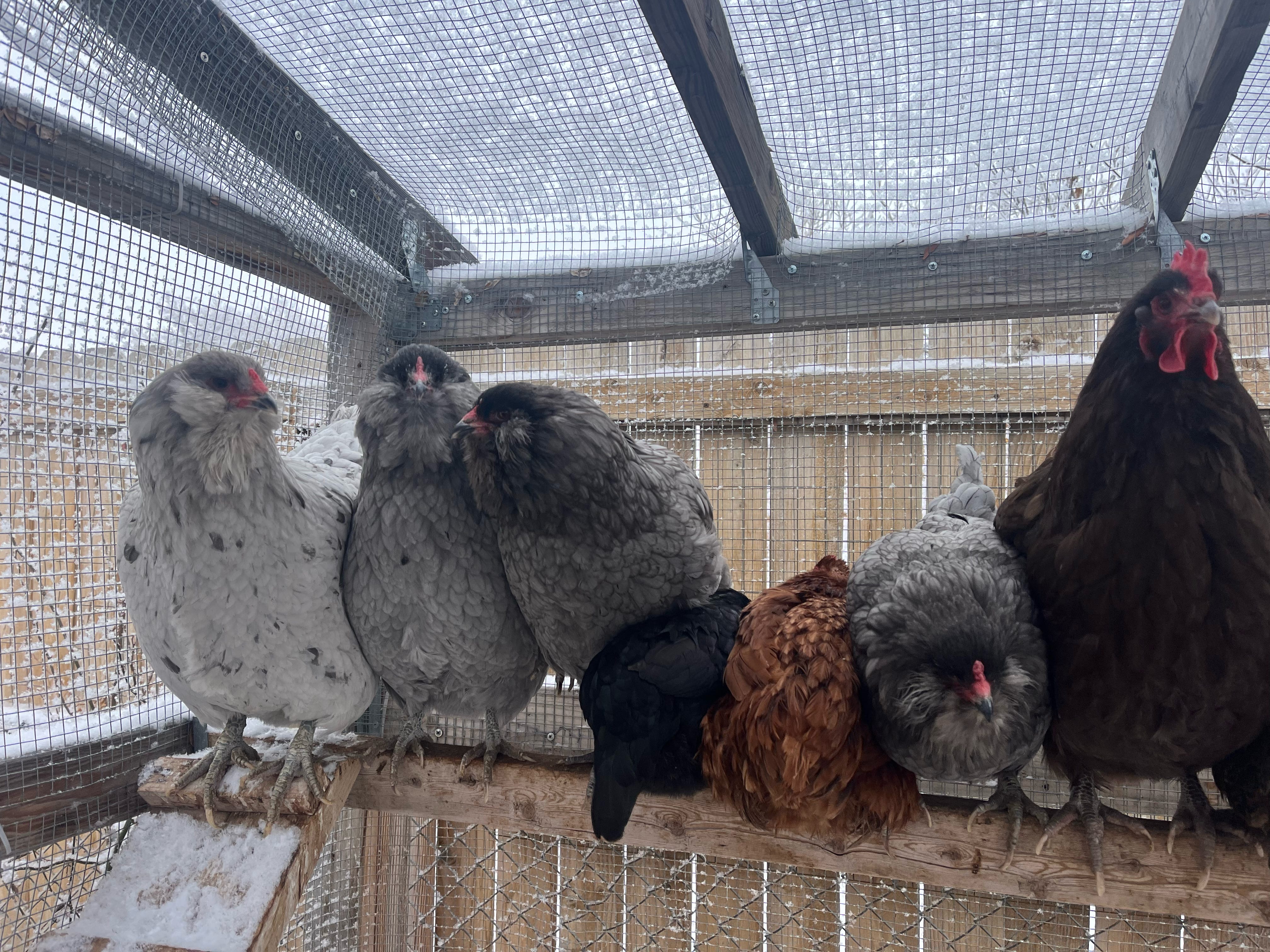
My chickens, however, are happy, and will remain so for as long as their short lives last because my children and I are still obsessed. (I call them “the Girls”; my 13-y-o daughter calls them “her babies.”)
Thanks for reading, my friends!
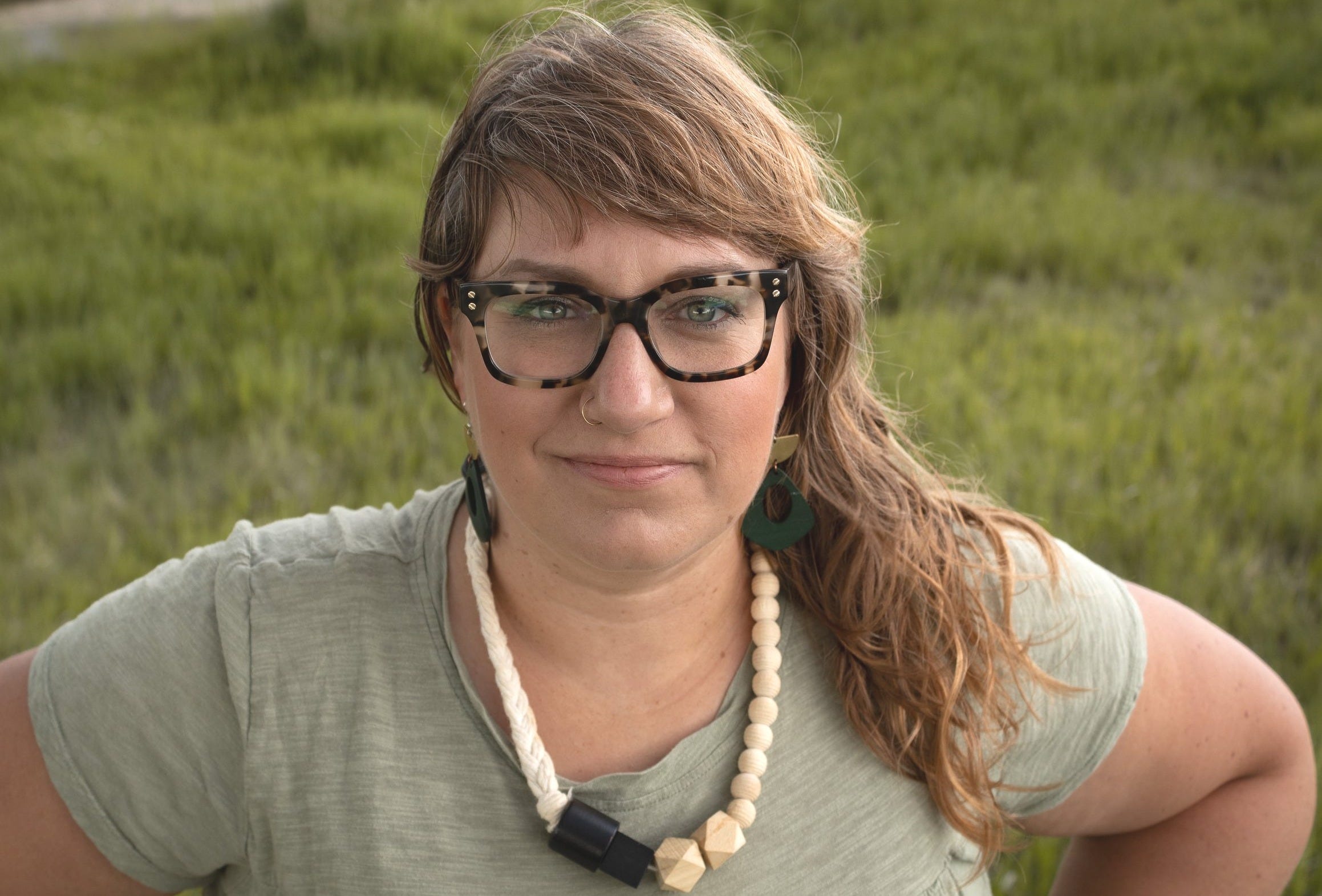
Warmly, Liz Charlotte Grant
Just for Fun…
Listen, sweetie, you can tell us anything, really.

Read the rest at the Onion, of course.
The one exception: writers typically pull their finances together with speaking gigs, which can allow us to charge more reasonable rates for our time. So far, my speaking has not provided for my family in a meaningful way, but I am open to changing that! So, if you ever want to bring me in to speak—cause I’m funny and charming and open and smart and relational—you can fill out a form to do that here.
Your upcoming book sounds fascinating! Congrats!
Loved hearing more about your journey as a writer and especially about your second book! Can't wait to read!!