
the Empathy List #164: A Very Bad Week
Losing a Good Woman to State-Sponsored Violence and How to Be An Activist Anyway

Hello friends, Liz here.
How are you? Bad? Me too.
Last week, we lost a good woman, Renee Nicole Macklin Good, to state-sponsored violence. Yes, this is America, the free. And it’s happened again.
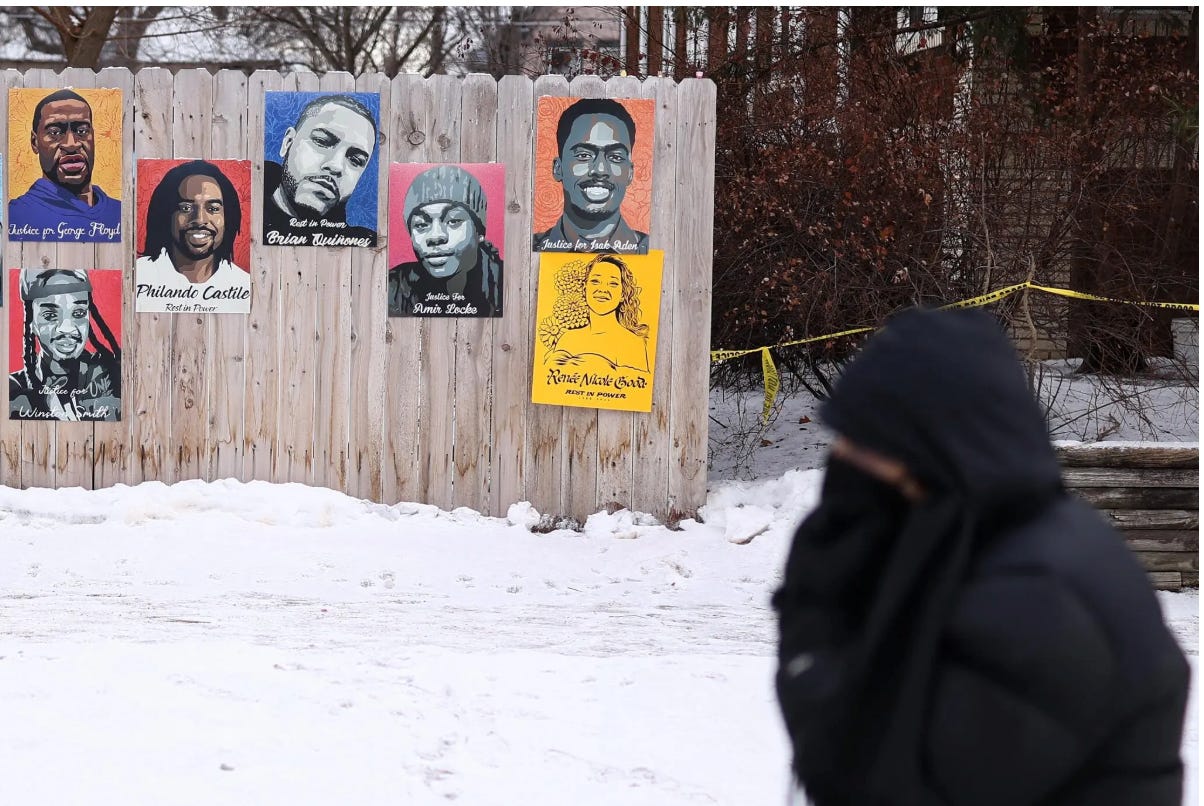
I’m not going to talk to you about the shooting because, God knows, if you happened to scroll social media this week, you’ve already seen the horrific replay.
Later this week, I’m hoping to share with you an essay I wrote for the Christian Century, an obituary to honor Renee.
Here, I want to tell you a side of the story you probably haven’t heard yet: did you know Renee Good was a Queer Christian? That she’d been raised within evangelicalism? That, according to her parents, former spouse, and current spouse, she’d been a devoted Christian for her whole life?
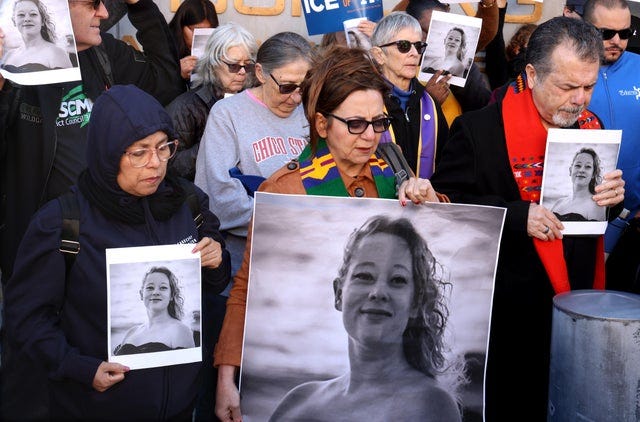
I had the chance to talk with a couple of people who knew her back in high school youth group and college biology. (Her middle school youth pastor even reached out to me, SOB). Renee also wrote this poem, offering us a glimpse into her faith journey as she sought to reckon with science and the pseudo-science she learned within conservative evangelicalism.
Minnesota Public Radio also offered this expansive tribute to Renee (WARNING: YOU WILL CRY READING THIS):
Renee Macklin Good’s wife, Becca Good, said that the 37-year-old poet and mother of three was made of sunshine: “She literally sparkled.”
…Behind that light was a well of deep values that Macklin Good lived by, including a conviction that every person — regardless of “where you come from or what you look like” — deserves compassion and kindness.
Becca Good described her wife in a statement:
Renee lived by an overarching belief: there is kindness in the world and we need to do everything we can to find it where it resides and nurture it where it needs to grow. Renee was a Christian who knew that all religions teach the same essential truth: we are here to love each other, care for each other, and keep each other safe and whole.
…We were raising our son to believe that no matter where you come from or what you look like, all of us deserve compassion and kindness.
…The people who did this [to Renee] had fear and anger in their hearts, and we need to show them a better way.
…[We ask you now to] honor her memory by living her values: rejecting hate and choosing compassion, turning away from fear and pursuing peace, refusing division and knowing we must come together to build a world where we all come home safe to the people we love.
This week has been a reminder to me that life is not fair. Good people die young and wicked people grow old, rich, and powerful. That is the order of this world in which we live. That is injustice. As a white citizen, I am often insulated from the wound of deportation and police violence—but not this week.
Yet I do not want to diminish the universality of these feelings. Every person who has lost someone understands this ache. Death is a soul violence. If you feel that level of grief today, I think that’s true and right. I am feeling the same alongside you.
I have friends in Minneapolis who are connected to the daily injustices perpetuated by the president’s goon squad, just as I had friends daily connected to the injustices in Chicago. In political moments like these, as an empath, I struggle to disconnect from the dread and doom, imagining the apocalypse around every corner.
In one sense, the apocalypse is here already. In another, I do not have ICE knocking on my door in Aurora, Colorado, at least not yet. I must live in this tension: anticipation that it could (will?) happen, and the reality that today, it’s not happening in my community. So must you.
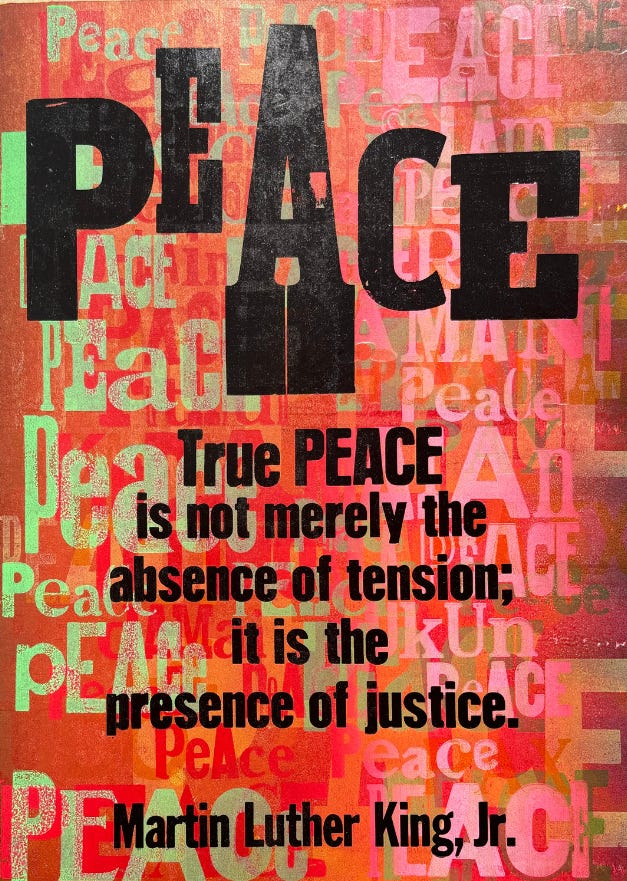
I do want to offer one pastoral word to you, my friends: let love be your guide, not fear.
“Loving our neighbors as ourselves” takes on so many shades and expressions, but it never looks like hiding, retreating, or rejecting responsibility for our neighbor.
Who is our neighbor right now? God’s favorite people are the ones at the bottom, always. So first, our neighbors are the ones lying bloody in the streets. That’s the story of the good samaritan acted out far too literally. The person who loves her neighbor will attend to the vulnerable, rather than fearing the dangerous and powerful.
But let’s get practical. What does activism look like now?
When Jesus related the parable of “the Good Samaritan,” he was not talking to an audience of vulnerable people, but to the powerful. Jesus was actually calling the abusers to repentance.
In this case, I’m talking about ICE.
Perhaps we might take a cue from Kevin Nye, and connect with our inner drama queens? ;-)

I joke.
But not really.
Because have you seen this confrontation of Kristi Noem in the halls of Congress? (I believe this happened in December 2025.)
I believe this moment in our nation’s history requires action in community. That may mean we act boldly and directly, as in the above examples. Or it could look tamer—holding signs at a marches, attending vigils for neighbors lost to ICE violence, or praying in groups for immigrants and the downfall of ICE.
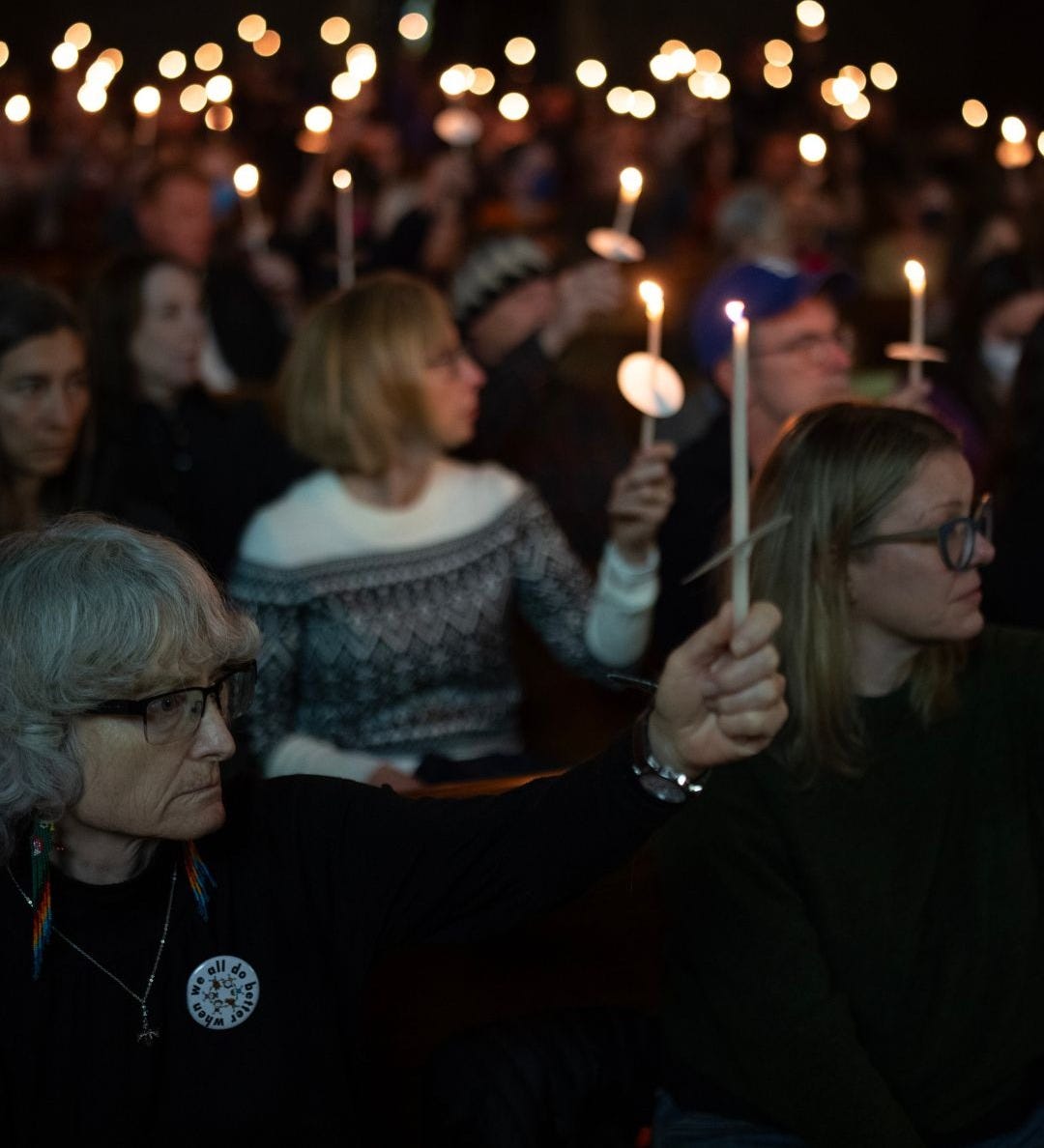
But certainly, it means that we do not flinch.
When the bodies of our neighbors are threatened, we may find ourselves needing to protect them with our own bodies.
I found myself deeply moved by the words of New Hampshire’s Episcopal Bishop of Manchester, Rob Hirschfield, as he encouraged his fellow priests to get their wills in order—because this might be a time for new martyrs.
In his own words:
“The times of ‘statements’ have reached a limit…
As someone who is a man of profound historical privilege… I want to speak to the Christians among us. …We are now, I believe, entering …a new era of martyrdom, Renee Good being the last of note of those martyrs.
…I have told the Episcopal clergy of New Hampshire that we may be entering into that same witness. And I’ve asked them to get their affairs in order. To make sure they have their wills written. Because… now is no longer the time for statements, but for us with our bodies to stand between the powers of this world and the most vulnerable.
…Jesus Christ took the posture of weakness and vulnerability. That’s what we are to model. Because the life that God wants for us is stronger than the cruelty, the injustice, the horror that we saw unleashed in Minneapolis… Those of us who have to be prepared to build a new world, we cannot fear even death itself. Because God first loved us with a power that is stronger than death.
I hope that none of us will be called upon to make that sacrifice, but we might. Historically, testing the mettle of Christians has meant martyrdom. And whether we believed it before or not, following Jesus has always meant death-to-self, just not always literally.
Christian responses that demand unthinking submission to the government because Romans 13 tells us so… is not really Christian. If we want to act like Jesus, then we must offer our ourselves as substitutes. Our safety, our wealth, our power, our privilege, perhaps even our lives—these we must offer, in memoriam of the savior who offered himself first.
(“This is a challenging teaching, and who can accept it?” we disciples ask ourselves. I don’t know. You’re going to have to wrestle with God to discern what this teaching means for you, my friend.)
Last, as we consider how to respond to this political moment: I want to encourage us to have hard conversations with those we love.
When Jesus answered the question, “Who is my neighbor?” in the gospels, he expanded the definition. But he also meant the people nearest to our hearts. So I urge us to remember that our loved ones on the opposite side of the aisle, they’re also our neighbors. We harbor responsibility for them, too, because they are also kids of God.
And now is the time to tell them the truth and to invite them to change their allegiances.
By the way, by “changing allegiances,” I don’t mean changing political parties, not necessarily. I mean, call them to change their mind about the humanity of their neighbors.
Tell them what you’re feeling, tell them who Renee Good was, tell them why the spin of this administration is hurting people, tell them what’s actually happening with ICE and immigrants. If you have to pull up the New York Times or Guardian on your phone, do it. Invite them into a new narrative, one that embraces empathy, curiosity, and the humble way of Jesus.
When we see our government harm other people, we must speak up, and we must primarily speak up IRL within those relationships where we have influence and relational trust to spend.
For the sake of our more vulnerable neighbors, we need to try to have conversations that can lead to societal change. Because, remember, societal change happens one person at a time.
If you’re reading this and feeling overwhelmed, I get it. If you’re unsure of your place and cannot identify a right next step in your journey toward loving your neighbors in practical, IRL ways, I’d love to recommend a friend’s book—Social Justice for the Sensitive Soul by Dorcas Cheng-Tozun. Within, she highlights a HUGE variety of ways to practice activism, including ways that do not require you to leave your house. Because not all of us can take to the streets, but we each can support the efforts of making our nation and global community more just.
Thanks for reading. I know this season is SO heavy, and I’m hoping to offer you comfort and practical wisdom. Let me know how I can help in the comments, wouldja?
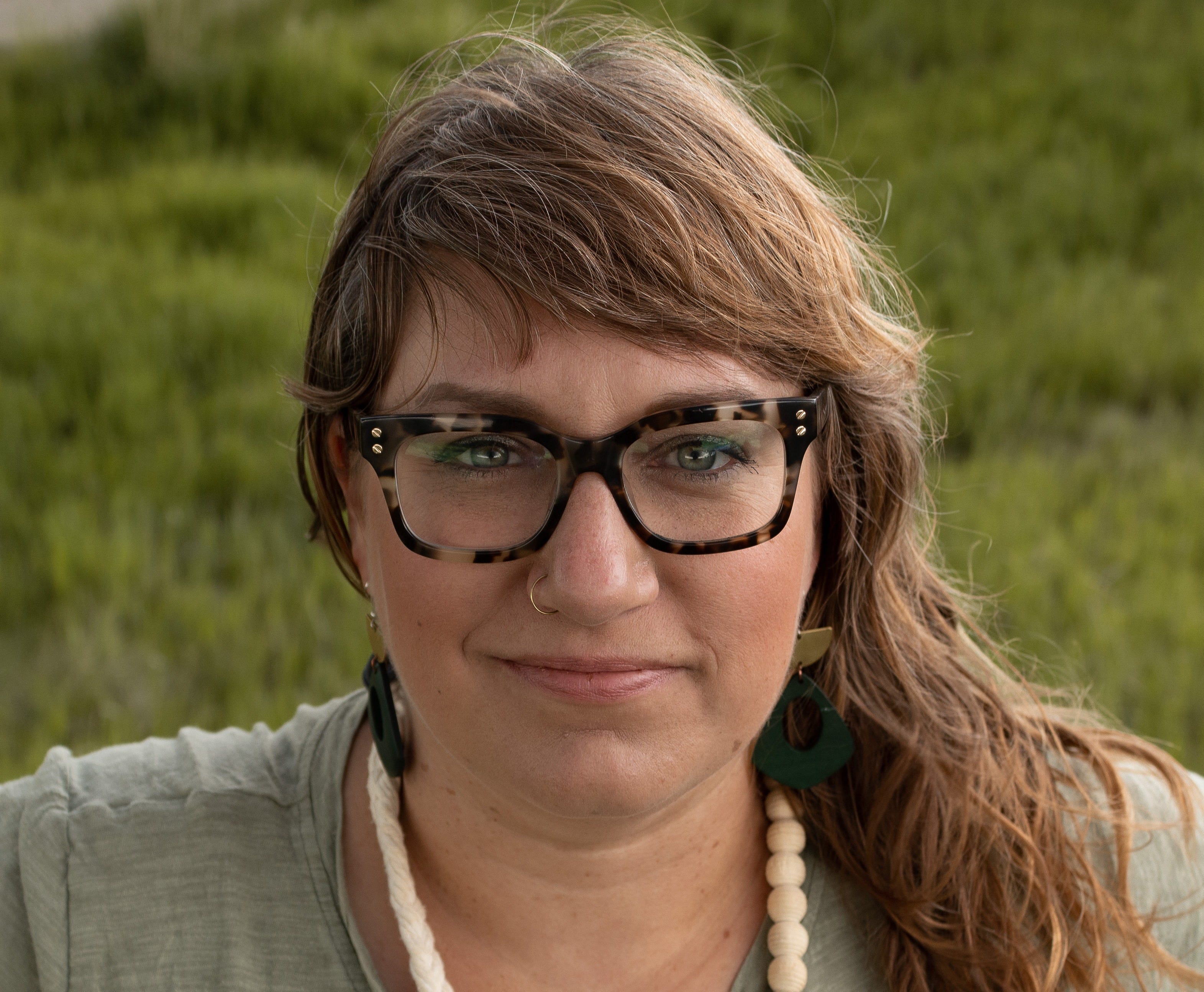
Warmly, Liz Charlotte Grant
Just for fun…
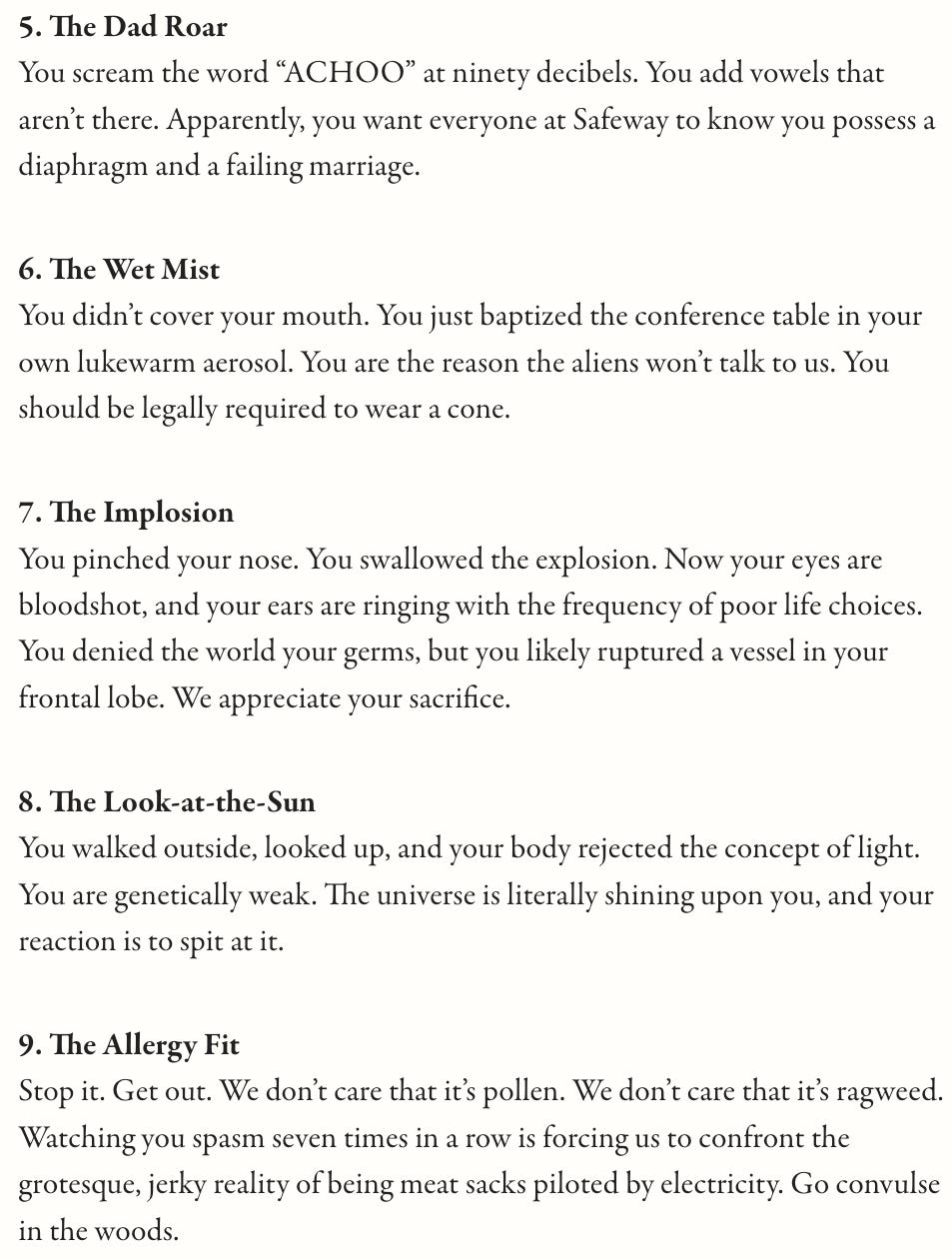
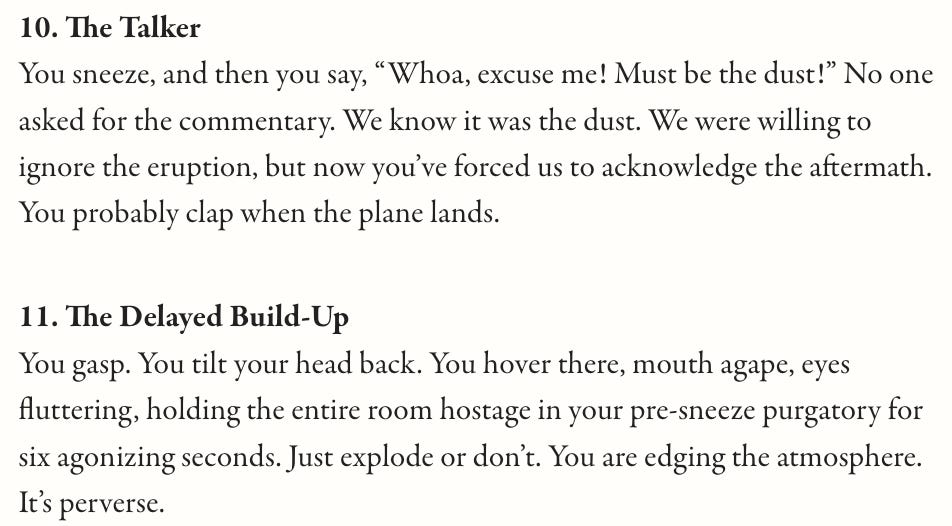
Ranking sneezes so you don’t have to: thank you, Tiffany Harris at McSweeney’s Internet Tendency. I needed this one today.

Whew this was great. And much needed. What a week.