
Curious Reads: We Have to Talk About the U.S. Supreme Court...
Justice Brown Jackson: It’s "Calvinball jurisprudence.”

Hello friends, Liz here.
#1 This week’s Top of the Fold is the U.S. Supreme Court—that is, how they’re reinforcing (Trump’s) Christian nationalist regime.
Justice Kentaji Brown Jackson had a line in one of her dissents that just kills, capturing exactly how I feel about the court’s chaotic decision-making right now: she said that her colleagues were playing “Calvinball jurisprudence with a twist.”
Do you remember the Calvin and Hobbes game of zero repeating rules? My 12- and 13-y-o love this game, btw, and when unsuspecting friends come over for a playdate, they’re often subjected to a tromp to the field across the street for a round of badminton-baseball-soccer-hockey for an on-the-spot made-up game of sprinting chaos. (Apparently they need to add masks, though!)
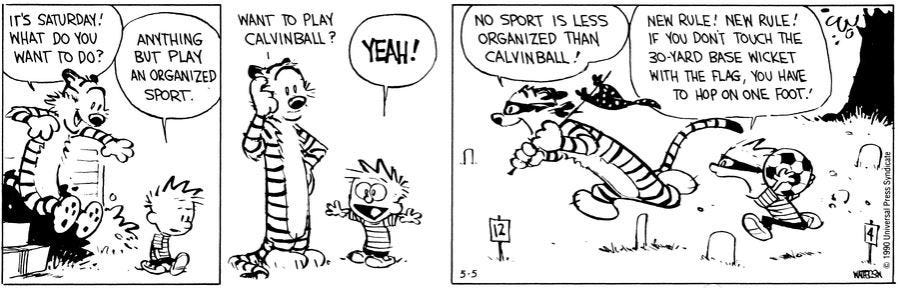
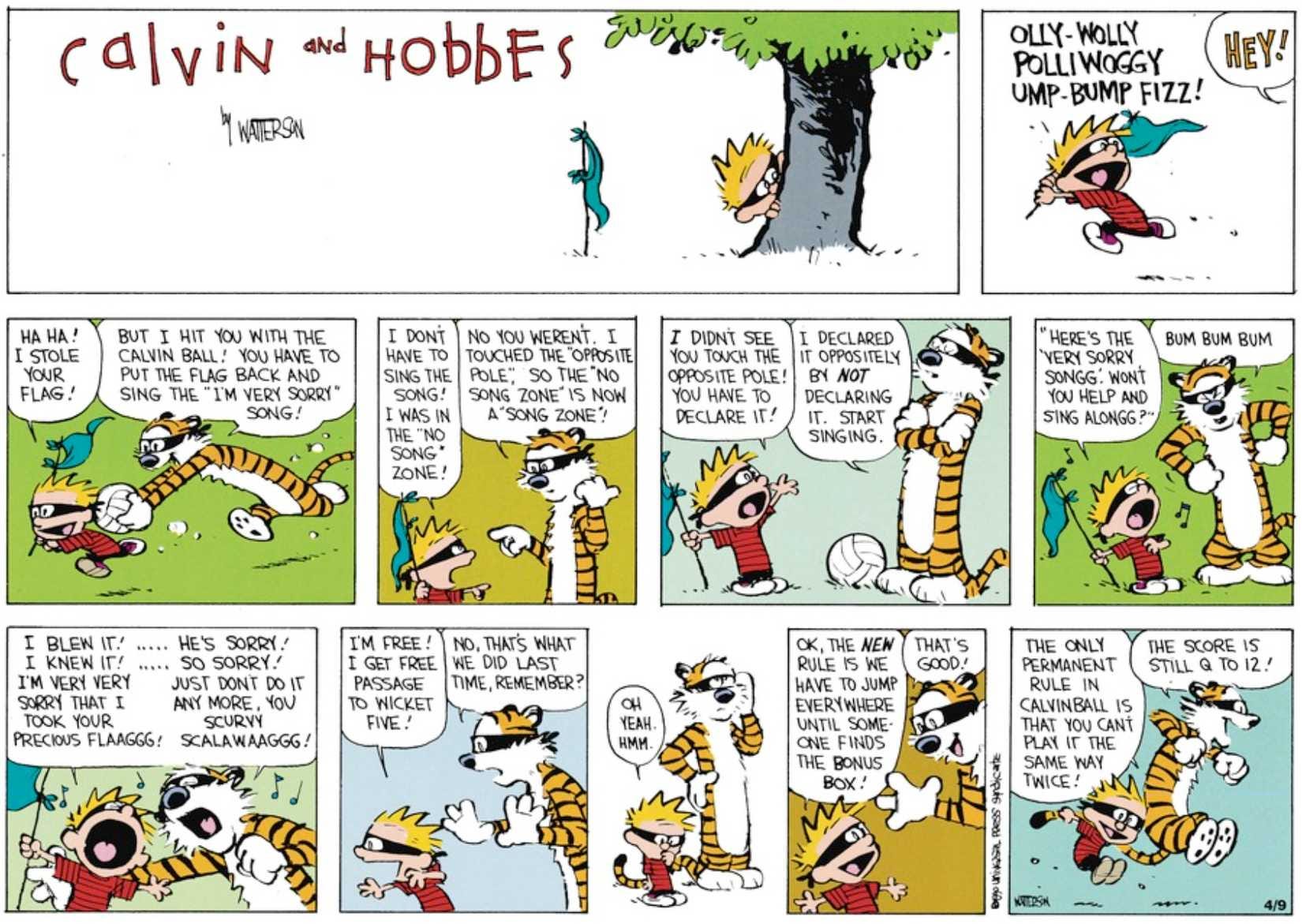
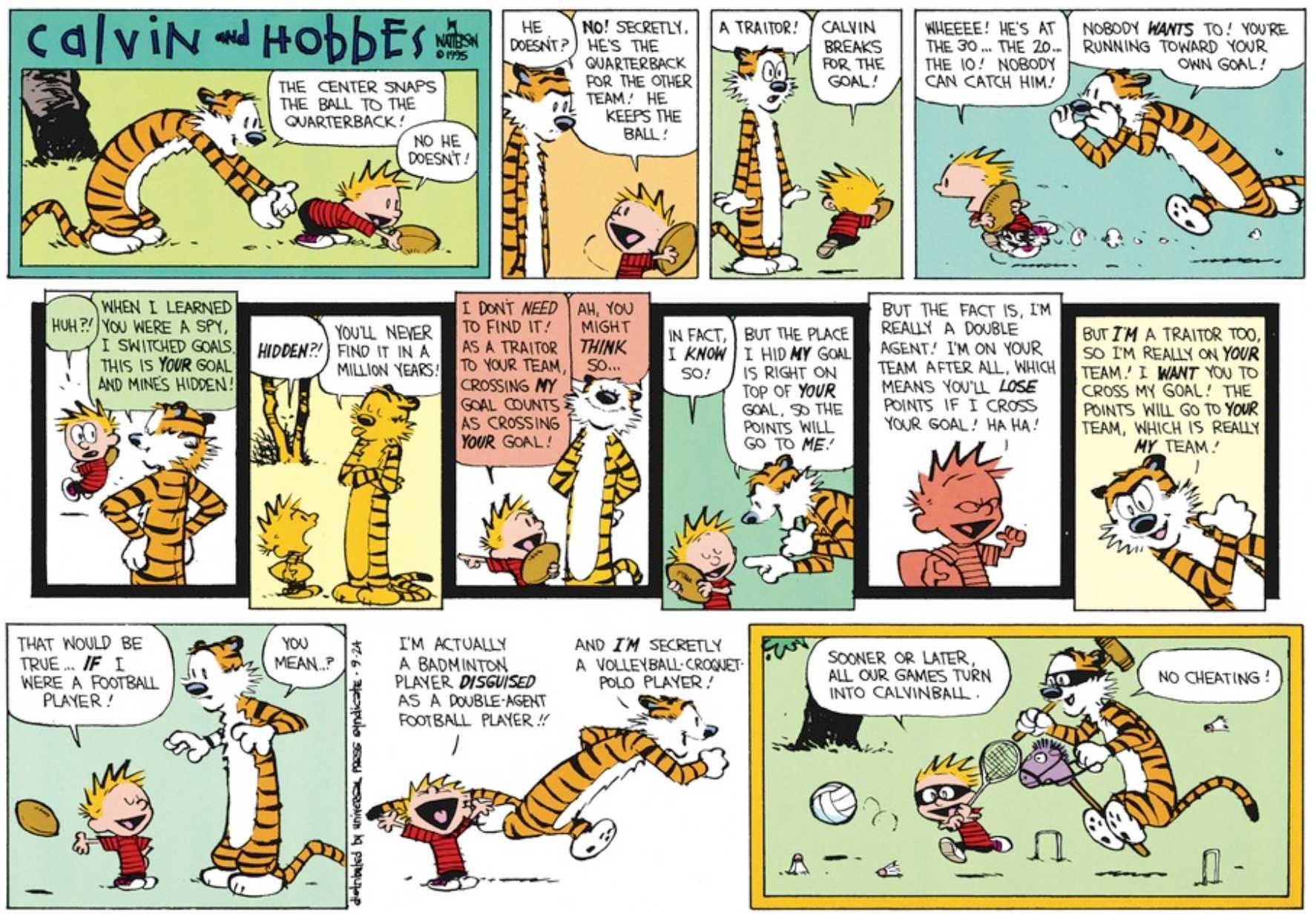
Unfortunately, the game is not so fun when applied to the law of the United States. Especially when the majority judges’ special “twist” to their version of Calvinball is that “this Administration always wins.” Seeing as the current Chief Executive is a ball of chaos himself, whose only rule is his own never-ending ascendancy, this is very bad news for advocates of legal fairness and order.
And then there’s the Shadow Docket.
The so-called “shadow docket” has become the administration’s go-to for getting its way. Claiming it needs the court to use its “emergency powers” to issue a fast and dirty ruling behind closed doors, the government can abolish legal disputes and congressional haggling to makes its will law. The shadow docket has the justices examining cases without any public argument at all, for the sake of urgent state matters (supposedly), and without putting on record who decided what and why. No explaining, no argument, no accountability.
In the past, the executive branch only utilized its “emergency” judicial powers during wartime. Now, it seems, most of the court’s cases are emergent.
As another dissenter, Justice Sotomayor, wrote, “The majority is either willfully blind to the implications of its ruling or naïve, but either way the threat to our Constitution’s separation of powers is grave.”
And justices have been eroding the separation of powers interpersonally, too.
More about the shadow docket: “Supreme Court Keeps Ruling in Trump’s Favor, but Doesn’t Say Why” by Adam Liptak at the New York Times (gift article)
A Few Notable U.S. Supreme Court Cases
Over the past year and a half, the following cases have raised my eyebrows to the ceiling.
For each case, of course, you could dig deeply into why the justices made their decisions, or at least you could read more about why the case decision matters, according to very smart legal people. (Shadow docket decisions provide no written opinions.)
The Very Bad, No Good Decisions (imho)
In Chiles v. Salazar, the justices invalidated Colorado’s statewide ban against LGBTQ+ (religious) conversion therapy. (I guess they saw it as a religious freedom issue??? 😭)
In West Virginia v. B.P.J. and Little v. Hecox the justices upheld bans against transgender athletes competing in women’s sports in West Virginia and Idaho. (THIS WAS JUST DECIDED, BTW.)
In Monsanto Company v. Durnell, the justices overturned a decision that made Monsanto liable for not warning a farmer that a particular toxin in their product, Roundup, could cause cancer, in another win for the oligarchs of the world. Cancer is the consumer’s fault, apparently, not the Big Business manufacturer’s.
In Louisiana v. Callais, the justices allowed state lawmakers to gerrymander districts so that Black majority districts disappeared from the map, saying that undoing one of the key wins of the 1960s’ Voting Rights Act. In the decision, Justice Samuel Alito wrote—with a straight face??—that racial preference in drawing districts in favor of consolidating minority power, as the VRA made possible, was no longer necessary because “the South… [has] made great strides in ending entrenched racial discrimination.” (Here’s why Black Southerners call that statement ridiculous and bewildering.)
In Blanche v. Lau, the justices allowed DHS to deny green card holders entry into the country… based on bad vibes, apparently.
In Noem v. Vasquez Perdomo, the justices allowed DHS to stop any person who aroused any vague suspicion about immigration status, including holding someone because they were Brown or spoke spanish, regardless of their actual citizenship status.
In Department of Homeland Security v. Doe, the justices ruled that lower courts could not enforce the Temporary Protected Status (TPS) immigration program, handing full power of the program to the Executive Branch.
(BTW did you know that the entire immigration justice system is actually NOT under the authority of the judicial branch, but of the EXECUTIVE branch? And Trump has been firing immigration judges left and right for not meeting his department’s insane deportation quotas.)
And now for some good news…
In Watson v. Republican National Committee, the justices agreed with a Mississippi law that allowed mail-in ballots to be counted up to five days late, as long as they are postmarked by Election Day.
Also, in Trump v. Barbara, the court protected birthright citizenship. (It was a close call because I suspect that the justices have not read the Constitution in a while…)
…and that’s it, that’s the entire good news column.
Okay, is your head spinning yet? Even collecting this legalese into a list had my eyes glazing over. But these decisions change the lives of real people, especially those whose rights are already up-for-grabs in the U.S.
So, out of love for your neighbors, I’d urge you to pick just ONE of these cases and go deeper. (Click one of the above links)
Or, to gain an even wider lens, you can read “The Major Court Decisions of 2026” at the New York Times (another gift article).
Thanks for your support, friends. And thanks for the ways you are showing up in your own community. Even if we cannot change the laws, we can make our neighbors feel welcomed, and that matters.
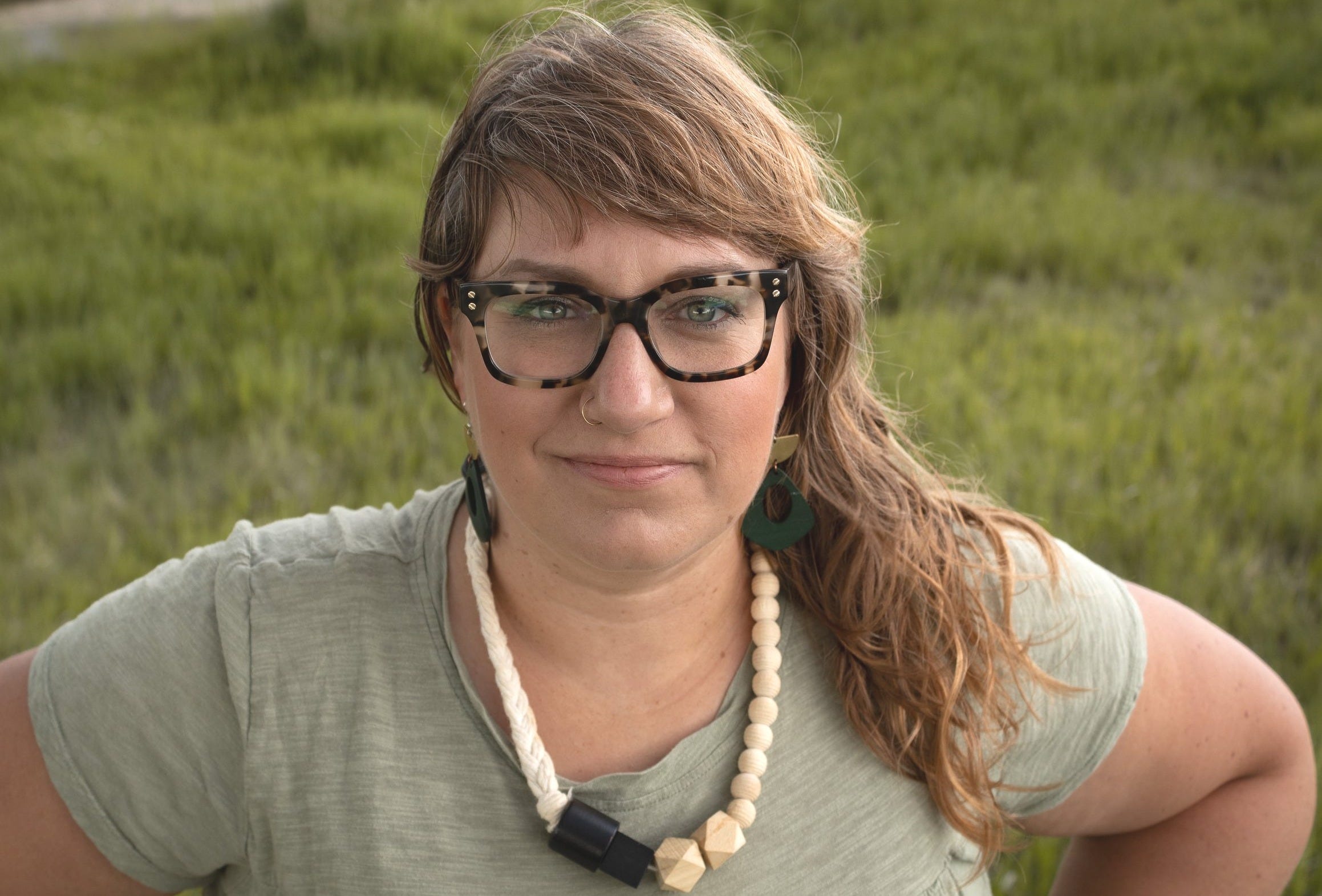
Warmly, Liz Charlotte Grant
More Curious Reads
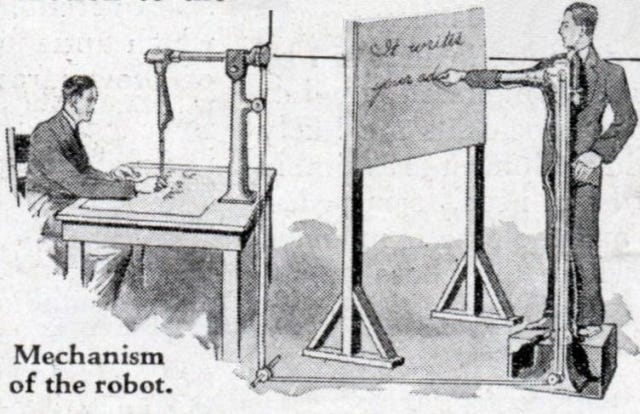
#2 ai is pumping out books. Are they any good?—Listen to the Indicator (from NPR and Planet Money)
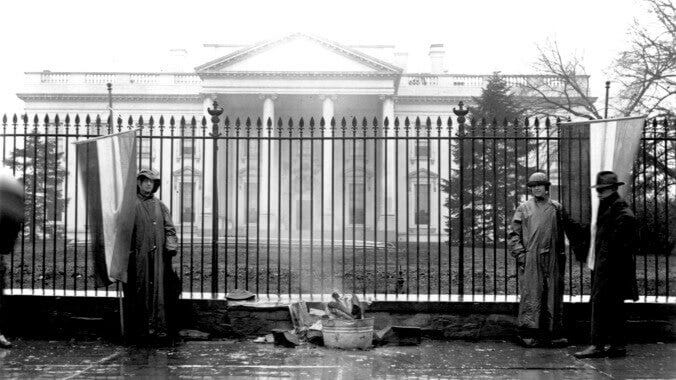
#3 Remember that time when Suffragists burned the president’s effigy on the White House lawn to force him to pass the 19th Amendment? No? Welp, either way, you’re going to enjoy this. —Jezebel

#4 Can 3-D printed “skin” help heal burns without leaving scars behind (Yes, the days of bioprinting—as in, building biological organs from scratch via 3D-printer—are officially here. Science, amirte?!)—Knowable

#5 The story of an unlikely mass shooter’s tragic past. (An unputdownable true crime story about a college professor who kills her colleagues!) —The New Yorker
Just for Fun…
The World Cup is so wholesome and I think it’s restoring my faith in humanity (maybe?).
Some of my favorite moments: a love affair between Lawrence, Kansas and Algeria; an actual duck as team Mexico’s mascot; a father-daughter handshake for the ages; Freddy the German swooning over Taco Bell; and truly meaningless niche commentary. And some sports happened, too. (The U.S. has a men’s soccer team, apparently?)
I’m having a blast. World Cup fam, you’re welcome to the Americas anytime.

Mexico’s unofficial mascot is a Duck named Merlin. (A real duck.)


